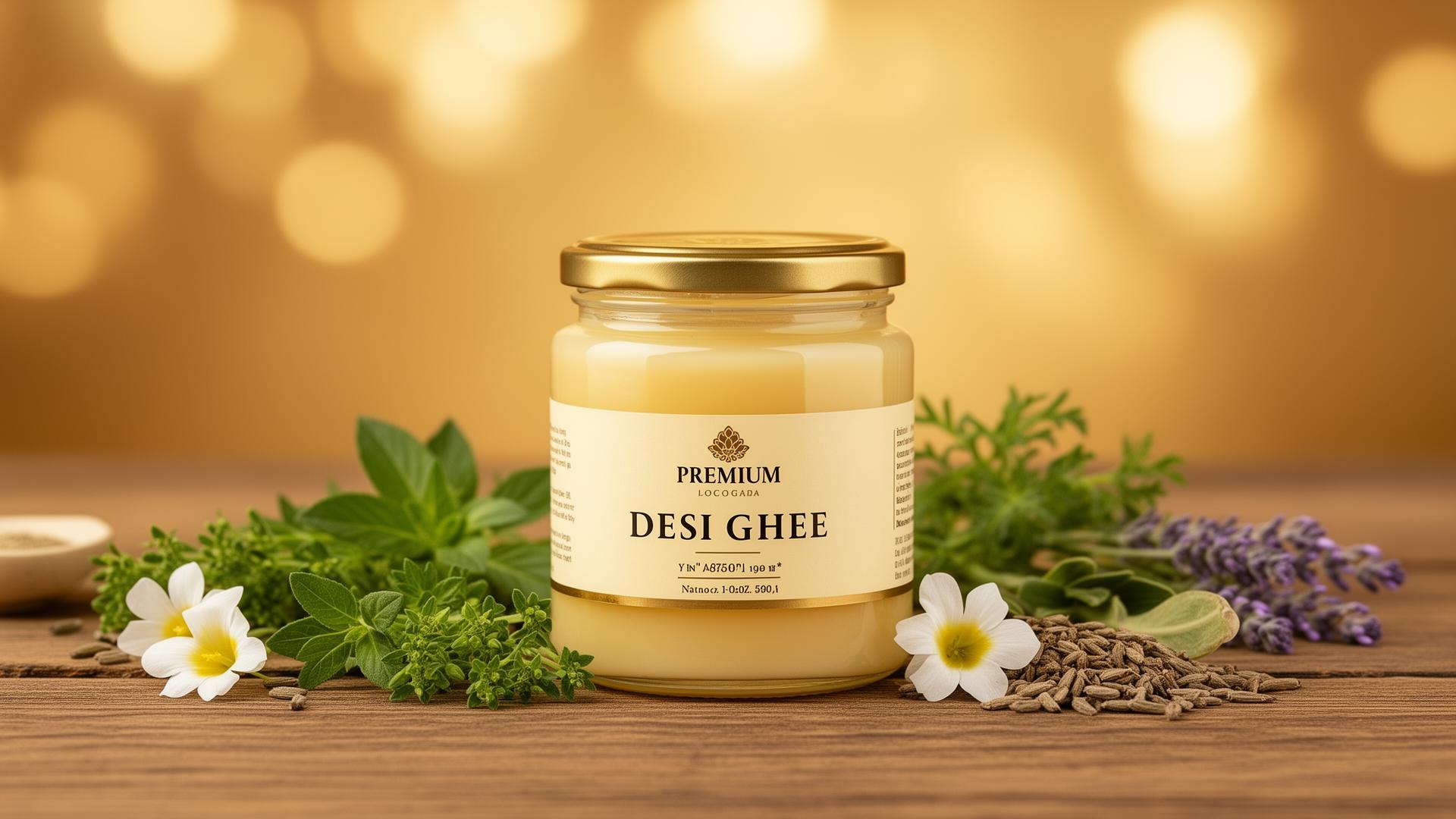
In the pursuit of scale, the modern dairy industry abandoned clay pots for massive stainless steel vats. At SudhStore, we firmly believe that convenience should never come at the cost of quality. Here is why we strictly use traditional earthen pots ( मिट्टी के बर्तन ) to slow-cook our makkhan into ghee.
Even, Gentle Heat Distribution
Metals heat up rapidly and inconsistently, which can scorch delicate milk solids and give ghee a slightly bitter aftertaste. Clay is a natural insulator. It absorbs heat slowly and distributes it evenly across the entire surface. This gentle, radiant heat ensures that the makkhan simmers flawlessly, separating the butterfat from the solids without any burning.
Alkaline Properties
Clay is naturally alkaline. When makkhan is heated in an earthen pot, the clay interacts with the light acidity of the cultured butter. This natural chemical reaction neutralizes excess acidity, resulting in a ghee that is exquisitely sweet, smooth, and incredibly easy on the digestive system.
The Porous Advantage
Because clay is naturally porous, it functions as a micro-ventilator. It allows trace amounts of steam to escape uniformly from the sides of the pot, not just the top. This ensures a more complete evaporation of water content, giving our ghee its outstanding shelf life and distinct granular (danedar) texture.
It takes more time, requires more care, and limits our production speed—but one taste of ghee simmered in earth, and you’ll know why we’ll never change our ways.