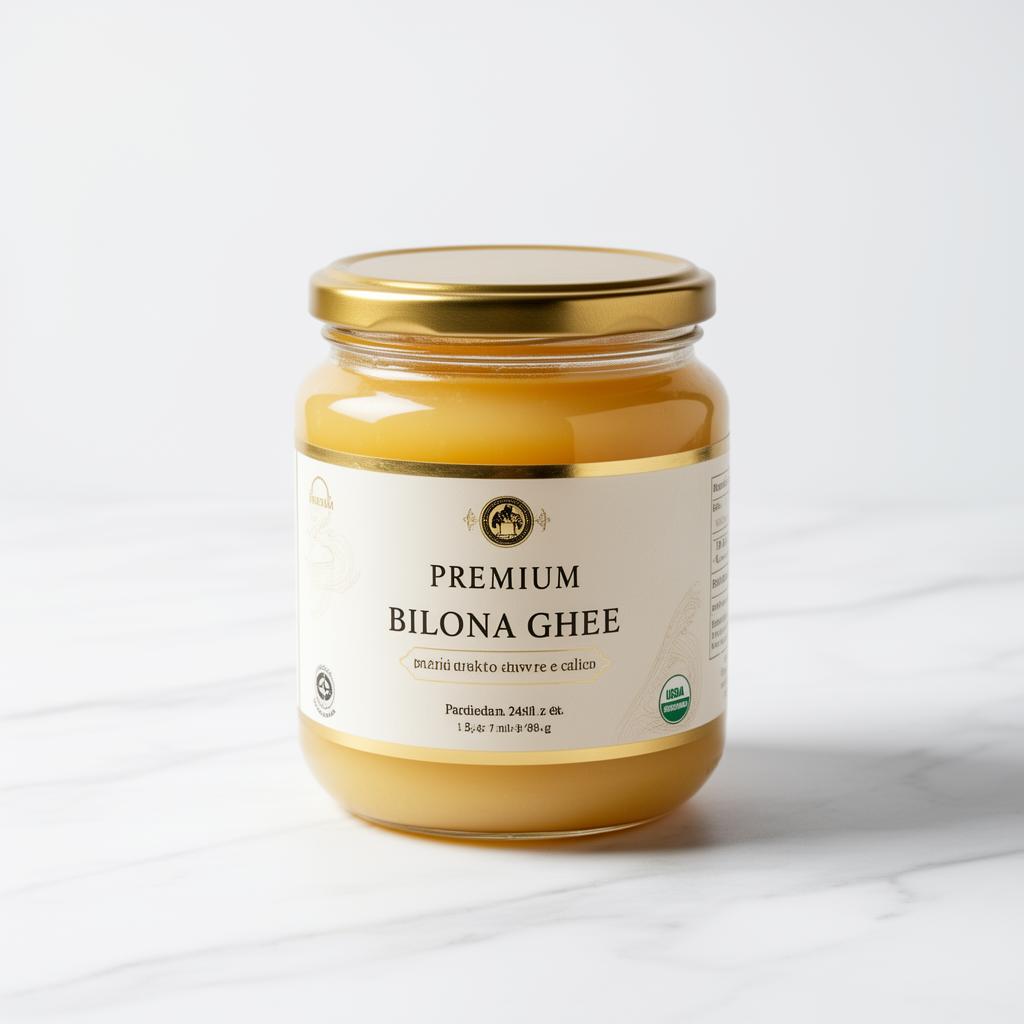
If you've been exploring holistic nutrition, you've likely heard the terms A1 and A2 milk. But what do they actually mean, and why should you care when buying ghee?
The difference lies in a single amino acid in the beta-casein protein string. Most mass-farmed Western cattle (like Holsteins) produce A1 milk. When A1 protein is broken down during digestion, it creates a peptide called BCM-7, which has been linked to digestive discomfort, systemic inflammation, and lethargy.
The Indigenous Advantage
Indian native breeds, such as the Gir and Sahiwal cows we source from, naturally produce 100% A2 milk. A2 milk lacks the mutation that creates BCM-7. It digests cleanly and smoothly, much like human breast milk.
While the ghee-making process removes practically all milk solids (including casein), tracing the source back to A2 milk ensures that any trace elements are entirely non-inflammatory. Moreover, A2 milk is inherently richer in Omega-3 fatty acids and CLA (Conjugated Linoleic Acid).
Choosing A2 Bilona ghee isn't just a matter of taste—it is a proactive step toward maintaining a calm, inflammation-free gut.